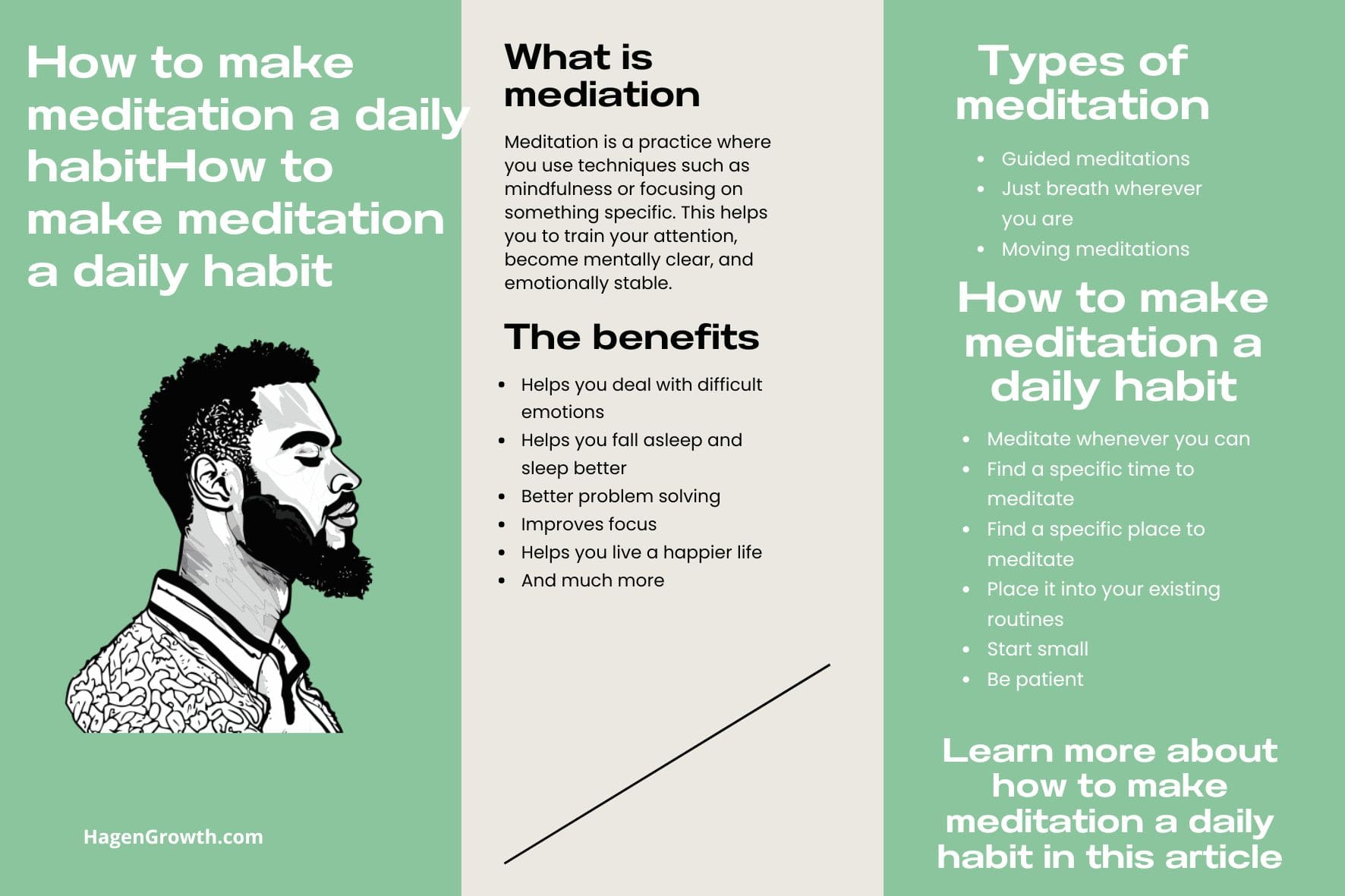
Daily Meditation: Building Positive Habits Through Mindfulness
Daily meditation is a simple practice that can help people become more aware of their thoughts, emotions, and everyday experiences. In a busy world filled with constant notifications and responsibilities, taking a few quiet moments can create space to slow down and reconnect with the present. Exploring https://yoga365.online/ can also help beginners understand how meditation fits into a balanced lifestyle.
Building a meditation habit does not require hours of silence or a special environment. A few minutes in a comfortable, quiet place can be a practical starting point. With regular practice, meditation can become a meaningful part of a daily routine rather than another demanding task on the schedule.
Understanding the Value of Daily Meditation
Meditation encourages attention to the present moment instead of becoming caught up in every passing thought. This does not mean the mind must become completely empty. Thoughts will naturally appear, and the practice involves noticing them without immediately reacting or judging them.
Over time, this awareness may help people recognize their habitual responses to everyday situations. Pausing before reacting can support more thoughtful decisions, while a regular meditation routine may encourage a greater sense of calm and focus.
The experience varies from person to person. Some sessions may feel peaceful, while others may involve restlessness or distraction. Both are normal parts of learning to pay attention.
Creating Positive Habits Through Consistency
Positive habits are often easier to maintain when they begin with small, realistic actions. Instead of setting an ambitious meditation goal immediately, start with a few minutes each day. A manageable routine can reduce pressure and make it easier to practice consistently.
Choosing a regular time may also help. Some people prefer meditating after waking up, while others find a short session during a lunch break or before bedtime more convenient. Linking meditation to an existing activity, such as sitting down with a morning drink, can serve as a helpful reminder.
Creating a familiar environment may further support consistency. A comfortable chair, a quiet corner, or a yoga mat can become a dedicated space for mindful practice without requiring special equipment.
Simple Mindfulness Techniques for Beginners
Breath awareness is one of the easiest ways to begin meditating. Sit comfortably and notice the natural rhythm of each inhalation and exhalation. When attention moves toward plans, memories, or other distractions, gently return it to the breath.
Another approach is a body scan, which involves noticing sensations in different areas of the body without trying to change them. This practice can encourage awareness of tension and help practitioners recognize how they feel in the present moment.
For additional guidance, explore simple mindfulness meditation practices that can complement a beginner-friendly wellness routine.
Making Meditation Part of Everyday Life
A sustainable meditation routine should fit naturally into daily responsibilities. Keeping expectations flexible can make it easier to return to the practice after a busy day or a missed session. Rather than aiming for a perfect experience, focus on showing up and giving yourself a few moments of attention.
Meditation can also be paired with other mindful activities, including gentle yoga, quiet walking, or taking a short pause between tasks. These moments offer opportunities to notice breathing, surroundings, and thoughts with greater awareness.
When practiced regularly and without unnecessary pressure, meditation can become a supportive habit that encourages intentional choices and a more mindful approach to everyday experiences.